Recycling in Austin: Your Guide to Going Green

Scrap Metal Disposal: A Comprehensive Guide

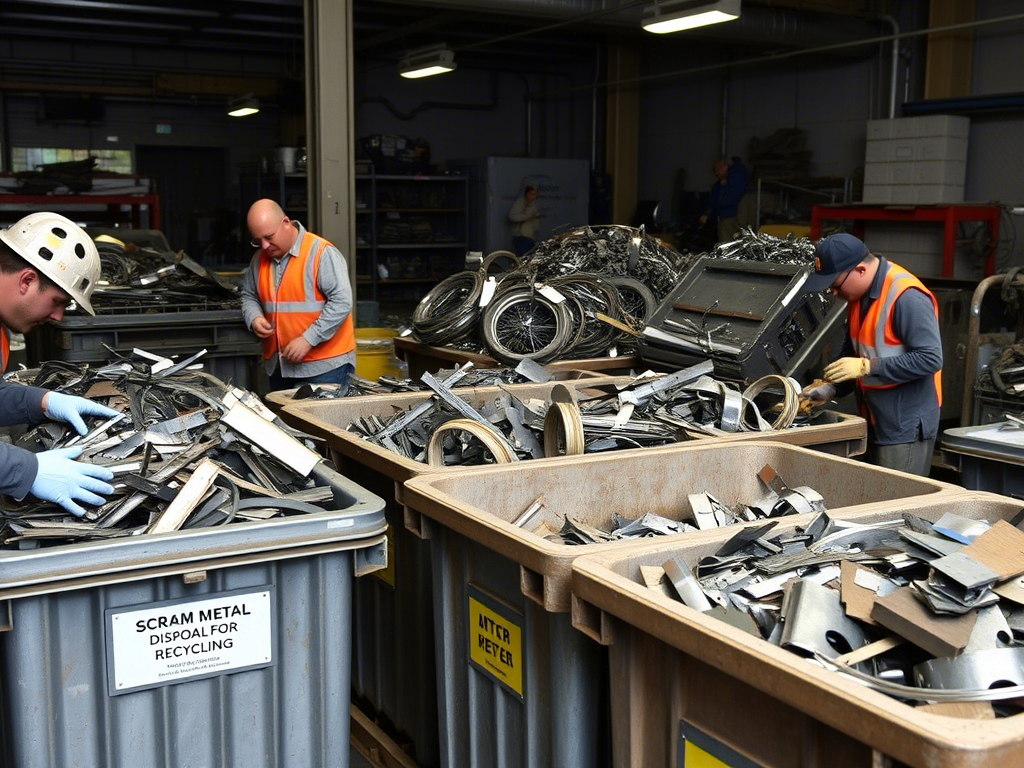
What is Scrap Metal Disposal?
Why is Scrap Metal Disposal Important?
Proper disposal of scrap metal is crucial for several reasons:
- Environmental impact: Disposing of scrap metal responsibly prevents pollution and reduces the need for new mining operations, which can be harmful to ecosystems.
- Energy conservation: Recycling metal saves energy compared to extracting raw materials and processing them into usable metal.
- Economic benefits: Recycling scrap metal can generate revenue through scrap metal yards and create job opportunities in the recycling industry.
- Space conservation: Recycling scrap metal reduces the space needed in landfills and helps keep waste out of our environment.
Types of Scrap Metal
Scrap metal is typically categorized into two main types: ferrous and non-ferrous. Understanding the difference between these metals is essential for effective recycling.
Ferrous Metals
Ferrous metals contain iron and are magnetic. They include materials like:
- Steel (found in cars, appliances, and construction materials)
- Cast iron (used in pipes, radiators, and heavy equipment)
Ferrous metals are the most commonly recycled metals and are typically less valuable than non-ferrous metals but still have significant recycling potential.
Non-Ferrous Metals
Non-ferrous metals do not contain iron and are not magnetic. These metals are more valuable and are often recycled for their higher resale value. Common examples include:
- Aluminum (used in cans, windows, and siding)
- Copper (found in electrical wiring and plumbing)
- Brass (used in plumbing fittings, musical instruments, and hardware)
- Lead (found in batteries and some electronics)
Methods of Scrap Metal Disposal
There are various methods for disposing of scrap metal. The method you choose depends on the type and quantity of metal you need to dispose of, as well as local regulations.
Recycling at Scrap Metal Yards
One of the most common and efficient methods of disposing of scrap metal is to take it to a local scrap metal yard. These facilities accept both ferrous and non-ferrous metals and pay you based on the weight and value of the metal. Some scrap yards even offer pick-up services for large quantities of scrap metal.
Municipal Collection Programs
Many local municipalities offer scrap metal collection programs. These programs are often free of charge and allow residents to dispose of metal items through scheduled pick-up days or designated drop-off locations. Contact your local waste management company to inquire about available services.
Recycling Centers and Drop-Off Locations
If there is no scrap yard nearby, recycling centers often accept scrap metal for recycling. These centers work similarly to scrap metal yards but may not offer payment for the materials. However, recycling at these centers ensures that the metal will be processed and reused responsibly.
Donation of Scrap Metal Items
In some cases, scrap metal items may still be usable. Donating old appliances, electronics, or vehicles can be a good option if the items are in working condition. Many organizations accept donations and may offer a tax deduction in exchange for your donation.
Benefits of Proper Scrap Metal Disposal
Disposing of scrap metal responsibly offers numerous benefits:
Environmental Sustainability
Recycling scrap metal reduces the demand for virgin materials, thereby conserving natural resources and preventing further environmental degradation caused by mining and extraction processes. It also helps in reducing greenhouse gas emissions associated with producing new metals.
Energy Efficiency
Recycling metal saves a significant amount of energy compared to creating new metals from raw materials. For instance, recycling aluminum saves up to 95% of the energy required to produce it from bauxite ore.
Economic Impact
The scrap metal industry contributes to the economy by creating jobs and reducing the costs associated with mining, refining, and manufacturing metals. Additionally, individuals can earn money by selling their scrap metal to recycling centers and scrap yards.
Reduction of Waste in Landfills
By recycling scrap metal, you help reduce the amount of waste that ends up in landfills. This not only helps preserve valuable landfill space but also prevents harmful chemicals from leaching into the soil and groundwater.
How to Prepare Scrap Metal for Disposal
Properly preparing scrap metal before disposal can help maximize its value and ensure it is recycled efficiently. Follow these steps to prepare your metal for recycling:
1. Sort Metals by Type
Separate ferrous and non-ferrous metals, as scrap yards and recycling centers typically offer different prices for each. You should also separate valuable metals like copper and aluminum from less valuable metals like steel and iron.
2. Remove Non-Metal Parts
Remove any plastic, rubber, or other non-metal components from your scrap metal items. This helps ensure that the metal is properly processed and increases the overall value of your scrap metal.
3. Clean the Metal
Try to clean your scrap metal by removing any dirt, grease, or other contaminants. Clean metal is easier to recycle and may be worth more at the scrap yard.
4. Compact the Metal
If possible, compress or break down large items such as appliances or vehicles. This can help you save space and make it easier to transport the metal to the recycling center.
Common Scrap Metal Items and How to Dispose of Them
Old Appliances
Large appliances such as refrigerators, washing machines, and dryers can be recycled for their metal components. Many scrap yards and recycling centers accept these items, and some even offer free pick-up services for large appliances.
Vehicles
Old cars, trucks, and motorcycles can be recycled for their metal parts, including steel, aluminum, and copper. Many auto salvage yards will pay you for your scrap vehicle, or you can donate it to a charity or organization that accepts vehicles.
Construction and Demolition Materials
Construction sites often generate a large amount of scrap metal, including steel beams, pipes, and other materials. These can be disposed of by contacting a local scrap metal recycling facility that handles industrial or commercial waste.
Conclusion
Scrap metal disposal is an essential part of responsible waste management. By recycling metal, we contribute to a cleaner environment, conserve natural resources, and promote sustainability. Whether you’re disposing of old appliances, vehicles, or construction materials, proper scrap metal disposal can make a significant difference. Always remember to sort, clean, and prepare your metal items for recycling to ensure they are processed efficiently and reused in new products.