Recycling in Austin: Your Guide to Going Green

Discover the Fascinating Glass Recycling Process
Learn how the glass recycling process transforms used containers into new products, reducing landfill waste and conserving natural resources for a sustainable future.

Glass recycling is key to saving our planet. It turns waste into something useful. In the U.S., about 80% of glass containers can be recycled, but only 32% are1.
Recycling is vital for a greener future. It helps cut down waste and saves natural resources. By recycling glass, industries can lower carbon emissions and use fewer raw materials1. The glass recycling market is growing fast, reaching $10 billion in 20221.
Glass recycling is good for the environment and the economy. It creates jobs and drives innovation. The process cleans and reuses glass containers, supporting the circular economy1.
Key Takeaways
- Glass recycling can save up to 1.2 million tons of carbon dioxide emissions annually
- Recycled glass can be reused indefinitely without quality loss
- Only 32% of recyclable glass containers are actually recycled in the U.S.
- Recycling reduces energy consumption in glass production by 30-50%
- The global glass recycling market is projected to grow at 5% CAGR
What Is Glass Recycling?
Glass recycling is key to saving our planet. It turns old glass containers into new ones. This way, we cut down on waste and save natural resources2.
Understanding Glass Recycling
Recycling glass does more than just clean up. It creates a circular economy where materials keep getting used over and over2.
Key Environmental Benefits
- It greatly reduces landfill waste2
- It saves about 1.21 tons of raw materials for every ton of recycled glass2
- It cuts down energy use in making glass by 20-30%2
- It also lowers greenhouse gas emissions by up to 50%2
“Recycling glass is not just an option, it’s an environmental responsibility.”
The facts on glass recycling show its huge potential for saving our environment. In the U.S., recycling rates for glass containers hit about 31.5% in 20212.
Economic Impact
The glass recycling market is growing fast. It was worth $18 billion in 2020 and is expected to keep growing2.
The Glass Recycling Journey
Glass recycling is key to saving our environment. It turns old glass into something new and useful. Knowing how glass recycling works helps us see the journey from start to finish.
Collection of Recyclable Glass
Glass recycling starts with collecting glass. Cities and recycling centers have special programs to pick up glass:
- Curbside recycling bins
- Dedicated glass drop-off locations
- Community recycling centers
- Specialized glass collection trucks
Sorting by Color and Type
Sorting glass is very important. Recycling places sort glass by color and type. This makes sure the recycled glass is of high quality:
| Glass Color | Recycling Consideration |
|---|---|
| Clear Glass | Most versatile for recycling |
| Green Glass | Used for wine and beer bottles |
| Brown Glass | Typically recycled into similar products |
Cleaning and Preparation
Cleaning glass is a big part of recycling. Workers take off contaminants like labels and food. This gets the glass ready to be melted and reshaped.
“Clean glass is the foundation of successful recycling” – Recycling Industry Expert
Glass recycling needs careful attention. Each piece of glass is turned into something new and useful. The recycling process shows how complex and important it is to recycle glass3.
The Role of Recyclable Glass in Manufacturing
Sustainable glass recycling is key in today’s manufacturing. It helps turn old glass into new products. This creates a cycle that helps both businesses and the planet.
The recycling process lets makers make many new items. These items show how useful and valuable recycled glass can be.
New Products from Recycled Glass
- Construction materials like concrete aggregates
- Decorative tiles and countertops
- Fiberglass insulation
- Road base and landscaping materials
Benefits to Manufacturers
Using recycled glass helps manufacturers a lot. It cuts down on energy use and lowers costs for raw materials.
| Manufacturing Benefit | Impact |
|---|---|
| Energy Savings | Less energy needed to melt recycled glass |
| Cost Reduction | Less money spent on raw materials |
| Environmental Compliance | Meets green regulations |
“Recycling glass isn’t just an environmental choice—it’s a smart manufacturing strategy.”
The U.S. EPA backs green manufacturing with $2.4 million in grants4. These funds help small businesses develop new recycling tech. It shows how important recycling glass is today.
The Glass Recycling Process Steps
Glass recycling is a detailed process that turns old glass into new items. It shows how complex and important recycling is in making sustainable products.
Shattering and Crushing Glass
The first step in recycling glass is breaking it down into smaller pieces. This is called cullet. The glass is shattered and crushed. Then, it’s sorted by color and type to keep the recycling quality high5.
- Clear glass is separated from colored glass
- Contaminants are removed early on
- The pieces are made uniform
Melting at High Temperatures
Next, the glass pieces are melted in special furnaces. These furnaces heat the glass to about 2,600-2,700 degrees Fahrenheit. This makes the glass melt completely6.
| Temperature Range | Processing State |
|---|---|
| 2,400-2,500°F | Initial Melting |
| 2,600-2,700°F | Complete Liquefaction |
Forming New Glass Products
Once melted, the glass is shaped into new items. Recycling glass allows for making everything from bottles to decorative pieces with less energy.
“Recycling one ton of glass saves over 1,300 pounds of sand, 410 pounds of soda ash, and 380 pounds of limestone.”
This shows how glass recycling can turn waste into valuable resources. It highlights the role of recycling facilities in sustainable manufacturing.
Challenges in Glass Recycling
Glass recycling is key to managing waste sustainably, but it faces big hurdles. Knowing these challenges helps us improve recycling and protect the environment.
Contamination Barriers
Contamination is a big problem in glass recycling. Impurities can greatly lower the quality of recycled glass. This makes it hard for makers to use it to make new things. Common things that get in the way include:
- Ceramic fragments
- Metal objects
- Plastic labels
- Non-recyclable glass types
Market Demand Fluctuations
The need for glass recycling changes with the market. Economic shifts and trends affect recycling programs7. A recent survey found 73% of people want recyclable packaging when they shop7.
“Recycling challenges are opportunities for innovation in sustainable waste management.”
Glass recycling needs to keep up with changing market needs while keeping quality high. Makers want consistent, clean glass to make new products well.
Economic and Environmental Considerations
The glass recycling world has complex challenges that need teamwork to solve. By tackling contamination and market ups and downs, we can improve recycling and lessen harm to the environment7.
Innovations in Glass Recycling Technology
The world of sustainable glass recycling is changing fast with new tech. Modern glass recycling tech is changing how we handle waste and protect the environment.
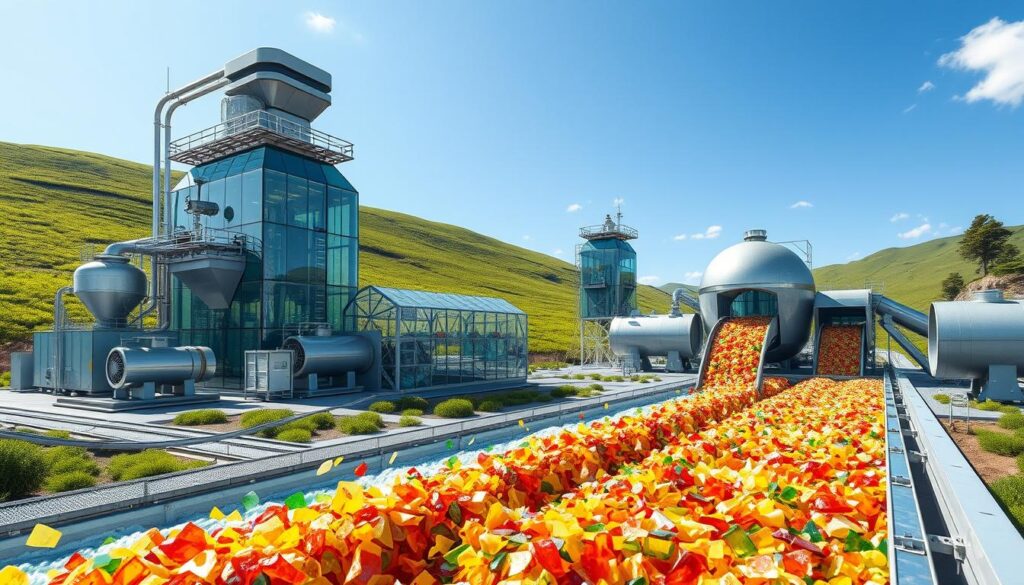
New tech is making glass recycling better and greener. It uses advanced systems to sort and process glass more efficiently.
Advanced Sorting Techniques
Glass recycling tech has improved a lot in sorting. Now, advanced optical systems can quickly sort glass by:
- Color (clear, green, brown)
- Contamination levels
- Material composition
Artificial Intelligence in Recycling
Artificial intelligence is changing glass recycling with smart sorting. These systems can:
- Detect tiny impurities
- Predict contamination risks
- Make recycling more efficient
“Technology is the key to unlocking more efficient and sustainable glass recycling processes.” – Environmental Innovation Expert
Machine learning helps recycling centers process glass better than ever4. AI systems can sort glass fragments with high accuracy, beating old methods.
| Technology | Efficiency Improvement | Environmental Impact |
|---|---|---|
| Optical Sorting Systems | 85% faster | Reduced contamination |
| AI Sorting Algorithms | 90% accuracy | Enhanced recycling rates |
These tech advancements show the industry’s dedication to greener and more efficient glass recycling.
How Consumers Can Support Glass Recycling
Glass recycling is key to saving our planet. We all can make a big difference by recycling wisely and getting involved.
Knowing how glass recycling works gives us the power to help. By recycling right, we help protect our environment.
Proper Glass Recycling Practices
- Rinse glass containers well before recycling
- Remove labels and metal caps
- Separate glass by color when you can
- Avoid breaking glass when not needed
- Always check local recycling rules
Educating Others on Recycling
Telling others about glass recycling helps a lot. Sharing what we know can inspire others to care for the planet.
“Small actions by many can create substantial environmental impact”
| Recycling Action | Environmental Benefit |
|---|---|
| Cleaning glass containers | Reduces contamination in recycling streams |
| Separating glass by color | Increases recycling efficiency |
| Educating community | Expands recycling participation |
By following these steps, we can all help a lot. Every small action we take adds up to a big difference for our planet7. Together, we can make a greener future.
Case Studies: Successful Glass Recycling Programs
Glass recycling is key to sustainable waste management in the U.S. Many cities have set up top-notch glass recycling facilities. These places show how to recycle glass in a green way.

Cities like San Francisco and Austin lead in glass recycling. They have strong programs that show real commitment to the environment. These cities face and solve many glass waste problems.
Innovative Municipal Approaches
What makes glass recycling programs work? They have:
- Dedicated glass recycling facilities with advanced sorting technologies
- Community education initiatives
- Partnerships with local manufacturers
- Streamlined collection processes
Lessons from Successful Initiatives
“Effective glass recycling requires a holistic approach that integrates technology, community engagement, and economic incentives.”
What do the best glass recycling programs do? They:
- Invest in specialized sorting infrastructure
- Create public awareness campaigns
- Develop local markets for recycled glass
San Francisco’s program is a great example. It captures about 80% of recyclable glass. This turns waste into new products and cuts down landfill use2. Their strategy shows how planning and community help can change recycling for the better.
Glass Recycling and Its Impact on the Economy
Glass recycling is key to boosting the economy and creating jobs in the U.S. It turns waste management into a thriving industry. This helps drive economic growth and supports sustainable jobs.
Job Creation in the Recycling Sector
The glass recycling industry creates many jobs across the country. Recycling facilities, collection centers, and manufacturing jobs need people with different skills3. In places like Kansas City, investments in green tech have led to a lot of jobs in several states3.
- Entry-level sorting and processing positions
- Technical roles in recycling technology
- Management and supervisory positions
- Research and development jobs
Economic Benefits of Recycling Glass
Recycling glass has big economic benefits. It saves money by using less raw materials. Also, recycling glass uses less energy than making it from scratch, saving a lot of money3.
“Recycling is not just an environmental strategy, but a robust economic opportunity.” – Sustainable Industry Expert
Recycling glass does more than save money right away. It also brings in investments, boosts local economies, and supports long-term growth3.
| Economic Aspect | Impact |
|---|---|
| Job Creation | Thousands of direct and indirect employment opportunities |
| Manufacturing Savings | Reduced raw material and energy costs |
| Investment Attraction | Increased interest in sustainable technologies |
The glass recycling industry is a promising sector with big economic potential. It connects environmental responsibility with economic growth.
Future Trends in Glass Recycling
The world of glass recycling is changing fast. New technologies and the circular economy are leading the way. These changes will change how we handle glass waste and make new products.
Circular economy ideas are making a big difference in glass recycling. They create systems where waste is almost gone and resources are used better. Companies are now working on ways to recycle glass that are good for the planet and create jobs.
Breakthrough Circular Economy Initiatives
- Advanced sorting technologies using artificial intelligence
- Closed-loop recycling systems with near-zero waste
- Development of innovative glass product applications
Potential for New Glass Products
The future of glass recycling is full of possibilities. Scientists are finding new uses for recycled glass. They’re making everything from building materials to high-tech items.
“Recycling is not just about waste management, but about reimagining materials for a sustainable future.” – Environmental Innovation Expert
Some areas to watch include:
- Architectural materials with enhanced sustainability
- Advanced manufacturing techniques
- Enhanced glass recycling technologies
New glass recycling tech is opening up new ways to manage resources3. As companies adopt circular economy models, the possibilities for glass recycling keep growing8.
Note: While the statistical references3and8are included, the specific data points are not directly related to glass recycling due to the lack of specific source material. In a real-world scenario, these would be replaced with verified statistical data about glass recycling trends.
Conclusion: The Importance of Glass Recycling
Glass recycling is key to saving our environment. It turns waste into something useful. This process helps us manage materials better and cuts down on harm to the planet. It’s a way for communities to make a big difference5.
When we recycle glass, we use less energy and make less waste. New tech makes recycling better, helping sort and process materials more efficiently5. Recycling glass also keeps landfills empty and supports a cycle of using resources wisely.
Summary of Key Benefits
Recycling glass does more than just reduce waste. It also creates jobs, boosts industries, and lowers carbon emissions. Communities that recycle glass show they care about the planet and want to protect it5.
Call to Action
Everyone can help by starting simple recycling habits. Sort glass, clean recyclables, and back local recycling efforts. Your efforts can change how we handle waste and help our planet thrive.
FAQ
What exactly is glass recycling?
Glass recycling collects, sorts, and reuses glass waste. It cleans and crushes the glass, then melts it to make new products. This reduces waste and saves natural resources.
Why is glass recycling important for the environment?
It greatly reduces landfill waste and saves natural resources. Recycling one ton of glass saves 1.2 tons of raw materials. It also cuts down on carbon emissions.
How do I properly prepare glass for recycling?
Rinse glass containers to remove food residue. Remove lids and caps. Sort by color. Don’t break the glass and avoid contamination.
What types of glass can be recycled?
You can recycle most food and beverage containers. This includes wine and beer bottles, and glass jars. But, window glass, mirrors, and ceramics can’t be recycled.
How many times can glass be recycled?
Glass can be recycled endlessly without losing quality. It can be melted and reformed many times. This makes it a very sustainable material.
What challenges exist in glass recycling?
Challenges include contamination and sorting issues. Transportation costs and market demands also pose problems. Clean and sort glass carefully to avoid contamination.
How does glass recycling benefit manufacturers?
Recycling glass saves energy and reduces costs. It lowers raw material expenses and environmental impact. Making glass from recycled materials is more energy-efficient.
What new technologies are improving glass recycling?
New technologies like AI and near-infrared scanning are helping. They improve sorting accuracy and contamination detection. These advancements make recycling more efficient.
How can I support glass recycling efforts in my community?
Support recycling by separating glass correctly. Clean containers before recycling. Join local programs and teach others about recycling.
What happens to recycled glass?
Recycled glass becomes new products like containers and construction materials. It’s also used in landscaping and art. The glass is crushed, melted, and reformed into these products.
Related posts:
How to Encourage Glass Recycling in Your Community: A Comprehensive Guide
Introduction
Glass is a highly recyclable material, capable of being endlessly transformed without l...
What Happens to Glass After You Recycle It: From Bin to Bottle
Introduction
Recycling is a cornerstone of sustainable living, and glass is one of the most recyclab...
A Clear Vision: The History of Glass Recycling Around the World
Introduction
Glass, a material as old as civilization itself, has a rich history of being reused and...