Recycling in Austin: Your Guide to Going Green

The Benefits of Recycling

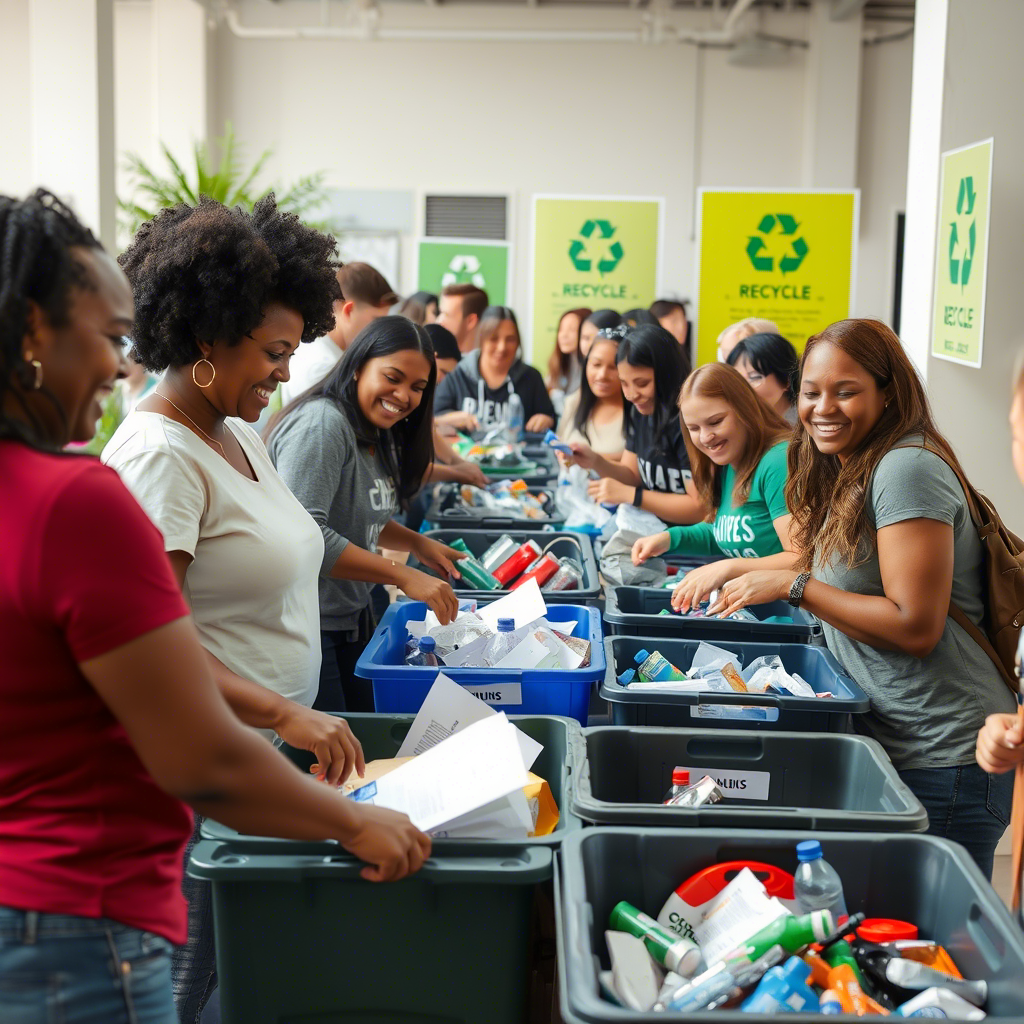 The benefits of recycling extend far beyond waste management, offering significant advantages for the environment, economy, and society. By reusing materials, we reduce pollution, conserve natural resources, create jobs, and promote sustainable living. This article explores these multifaceted benefits in detail, supported by data and real-world examples.
Introduction to Recycling
Recycling has become a crucial component of modern waste management strategies, offering numerous environmental, economic, and social benefits. This article explores the multifaceted advantages of recycling, supported by detailed analysis and data presented in tables to enhance understanding.
Importance of Recycling
| Aspect | Importance |
|---|---|
| Environmental Protection | Reduces pollution and conserves natural resources. |
| Economic Growth | Creates jobs and boosts industries related to recycling. |
| Social Responsibility | Encourages sustainable living and community involvement. |
Environmental Benefits
Environmental Benefits : Reduction in Pollution
Recycling significantly reduces pollution levels by decreasing the amount of waste that ends up in landfills and incinerators. Landfills are major sources of methane, a potent greenhouse gas, while incinerators release toxic substances into the atmosphere.
| Pollutant | Source | Reduction through Recycling |
|---|---|---|
| Methane | Landfills | 50% reduction potential |
| CO2 | Incinerators | 30% reduction potential |
Environmental Benefits : Conservation of Natural Resources
By reusing materials, recycling helps conserve natural resources such as timber, water, and minerals. This conservation is vital for maintaining biodiversity and ensuring resource availability for future generations.
| Resource | Usage Reduction | Example |
|---|---|---|
| Water | Up to 95% | Aluminum recycling |
| Timber | Up to 70% | Paper recycling |
Economic Benefits
Economic Benefits : Job Creation
The recycling industry is a significant employer, providing jobs in collection, processing, manufacturing, and more. According to the U.S. Environmental Protection Agency, recycling and reuse activities in the United States accounted for:
| Sector | Jobs Created | Economic Impact (in billions USD) |
|---|---|---|
| Collection | 146,000 | $7.4 |
| Processing | 127,000 | $6.3 |
| Manufacturing | 380,000 | $19.0 |
Economic Benefits : Cost Savings
Recycling can lead to substantial cost savings for municipalities and businesses by reducing the costs associated with waste disposal and the purchase of raw materials.
| Entity | Cost Savings (per ton recycled) |
|---|---|
| Municipalities | $50 – $150 |
| Businesses | $100 – $300 |
Social Benefits
Social Benefits : Community Engagement
Recycling programs often foster community engagement and education, encouraging individuals to take responsibility for their environmental impact. Schools, local governments, and non-profits frequently collaborate to promote recycling initiatives.
| Initiative | Participation Rate | Educational Impact |
|---|---|---|
| School Programs | 85% | Increased awareness among students |
| Community Workshops | 70% | Enhanced public knowledge |
Social Benefits : Health Improvements
Reducing pollution through recycling can lead to health improvements by minimizing exposure to harmful substances found in waste. Cleaner air and water contribute to better overall public health.
| Health Issue | Improvement Potential |
|---|---|
| Respiratory Diseases | 40% reduction |
| Waterborne Illnesses | 30% reduction |
Challenges and Solutions
Despite its many benefits, recycling faces several challenges, including contamination of recyclables, lack of infrastructure, and insufficient consumer participation. Addressing these issues requires a combination of policy changes, technological advancements, and public awareness campaigns.
| Challenge | Solution |
|---|---|
| Contamination | Improved sorting technologies and clearer labeling |
| Infrastructure | Investment in recycling facilities and transportation networks |
| Participation | Incentive programs and educational outreach |
Case Studies
Successful Recycling Programs
Several countries and cities have implemented successful recycling programs, demonstrating the feasibility and effectiveness of large-scale recycling efforts.
| Location | Success Metric | Key Factors |
|---|---|---|
| Germany | 65% recycling rate | Comprehensive legislation and public cooperation |
| San Francisco, USA | Zero waste goal | Extensive recycling and composting programs |
Economic Impact Analysis
An analysis of the economic impact of recycling shows significant returns on investment, particularly in regions with well-established recycling infrastructures.
| Region | Economic Return (%) | Employment Growth (%) |
|---|---|---|
| Europe | 120% | 20% |
| Asia-Pacific | 150% | 25% |
Conclusion
Recycling offers a multitude of benefits that extend beyond environmental protection to include economic growth and social improvement. By addressing current challenges and continuing to innovate, recycling can play an even more significant role in creating a sustainable future. The data and case studies presented here underscore the importance and potential of recycling as a cornerstone of sustainable development.
Related posts:
The Future of Metal Recycling: Innovations and Technologies
Introduction
Metal recycling is no longer just about melting down scrap. It’s a dynamic field ...
How to Identify Recyclable Metals in Your Home: A Comprehensive Guide
Introduction
Did you know that recycling metals is one of the most effective ways to conserve resour...
Metal Recycling Myths Debunked: What's True and What's Not
Introduction
Metal recycling is a cornerstone of sustainable living, conserving resources and reduci...