Recycling in Austin: Your Guide to Going Green

10 Everyday Items You Didn’t Know You Could Recycle

Introduction
We all know the recycling drill: plastic bottles, aluminum cans, and paper go in the blue bin. But what about those less obvious items accumulating in our homes? You might be surprised to learn that many everyday things you typically toss in the trash can actually be recycled! Discover 10 unexpected items you can recycle and how to do it, contributing to a more sustainable planet.
What is Recycling and Why is it Important?
Recycling is the process of collecting and processing materials that would otherwise be thrown away as trash and turning them into new products. This process conserves natural resources, reduces landfill waste, saves energy, and decreases pollution. By recycling, we minimize the need to extract raw materials, which often requires environmentally damaging practices like mining and deforestation. Increased recycling efforts are crucial to mitigating the impacts of climate change and preserving resources for future generations.
The Environmental Impact of Not Recycling
- Landfill Overload: Landfills are filling up at an alarming rate, contributing to soil and water contamination.
- Resource Depletion: Continuously extracting virgin materials puts a strain on our planet’s finite resources.
- Increased Pollution: Manufacturing new products from raw materials generates significantly more pollution than using recycled materials.
10 Everyday Items You Didn’t Know You Could Recycle
1. Bread Tags
Those tiny plastic bread tags seem insignificant, but they contribute to plastic waste. Fortunately, organizations like Bread Tags for Wheelchairs collect these tags and recycle them to raise funds for wheelchairs for people in need.
2. Batteries
Batteries contain heavy metals that can leach into the environment if disposed of improperly. Many retailers, such as hardware stores and electronics stores, offer battery recycling programs. Call2Recycle is a leading organization for battery recycling in North America.
3. Wine Corks
Both natural and synthetic wine corks can be recycled! ReCORK is a program that recycles natural corks into new products like flooring and footwear. Synthetic corks can often be recycled with #4 plastics, but check with your local recycling program.
4. Electronics
Old cell phones, computers, and other electronics contain valuable materials like gold, silver, and copper. E-waste recycling programs ensure these materials are recovered responsibly. Check with your local municipality or retailers like Best Buy for e-waste recycling options.
5. Ink Cartridges
Ink cartridges can be refilled or recycled. Many office supply stores offer rewards programs for recycling ink cartridges. Recycling reduces plastic waste and conserves resources used in manufacturing new cartridges.
6. Eyeglasses
Old eyeglasses can be donated to organizations like the Lions Club, which distributes them to people in need around the world. This not only reduces waste but also helps improve vision for those who cannot afford glasses.
7. Textiles
Old clothing, towels, and linens can be recycled or repurposed. Many charities accept textile donations, even if the items are stained or torn. Textile recycling prevents these items from ending up in landfills.
8. Shoes
Similar to textiles, shoes can be donated or recycled. Nike Grind is a program that recycles athletic shoes into new materials used for athletic surfaces, playgrounds, and more.
9. Blister Packs (Medication Packaging)
Blister packs, used for medications, are often made of mixed materials making them difficult to recycle. However, some pharmacies and specialized recycling programs now accept them. Check with your local pharmacy or search online for blister pack recycling options in your area.
10. Compostable Packaging
While technically composting, compostable packaging (look for BPI certification) can break down in industrial composting facilities. Check if your municipality offers composting programs, and if so, include your compostable packaging items. If you backyard compost, note that industrial compostable items may require higher temperatures and longer durations to break down effectively.
Recycling Rates: A Comparison
| Item | Estimated Recycling Rate (Globally) |
|---|---|
| Plastic Bottles | 9% |
| Electronics | 20% |
| Textiles | 15% |
| Batteries | Less than 5% (varies greatly by type) |
Note: Recycling rates vary significantly by region and material type. Data represents estimates based on available industry reports.
Recent Recycling Statistics (2023-2024)
- According to the EPA, Americans recycled nearly 69 million tons of municipal solid waste in 2018, resulting in a 32.1% recycling rate. While some rates have improved, plastic recycling continues to lag far behind.
- A 2023 report by the Ellen MacArthur Foundation indicates that global plastic production is expected to triple by 2050 if current trends continue, emphasizing the urgent need for improved recycling and waste reduction strategies.
Practical Tips for Recycling These Items
- Research: Contact your local recycling center to confirm which items they accept.
- Clean: Clean items before recycling to avoid contaminating the recycling stream.
- Separate: Keep different types of recyclable materials separate for easier processing.
- Collection: Collect less common recyclables in a designated container until you have enough to drop off at a collection point.
- Advocate: Encourage your community and local businesses to expand their recycling programs.
Common Recycling Mistakes to Avoid
- “Wishcycling”: Don’t put items in the recycling bin unless you are sure they are accepted. This can contaminate the entire batch.
- Dirty Items: Food residue on recyclables can ruin the batch.
- Plastic Bags: Most curbside programs don’t accept plastic bags; take them to a designated drop-off location instead.
Frequently Asked Questions (FAQ)
1. Where can I find a battery recycling location near me?
Check the Call2Recycle website or contact your local hardware store.
2. What do I do with old textiles that are not in good condition?
Many textile recycling programs accept items that are stained or torn.
3. Can I recycle all types of plastic?
No, only certain types of plastic are recyclable. Check the recycling symbol and your local recycling guidelines.
4. Are compostable plastics actually good for the environment?
They are better than traditional plastics if composted correctly but require industrial composting facilities to break down fully. Improper disposal can still contribute to pollution.
5. Why is recycling so important?
Recycling conserves resources, reduces landfill waste, and minimizes pollution, helping to protect our planet for future generations.
Conclusion
By being mindful of the hidden recyclability of everyday items, we can all contribute to a more sustainable future. From bread tags to batteries, these seemingly insignificant items can have a significant impact when recycled properly. Take the initiative to research local recycling programs and make informed choices about waste disposal. Every small action counts!
Ready to make a difference? Start collecting these 10 items today and find a recycling location near you! Share this article with your friends and family to spread the word.
10 everyday items you didnt know you could recycle
10 everyday items you didnt know you could recycle are often already in the kitchen: bottles, cans, jars, and clean cardboard. Keep them loose and rinsed. The Austin drop-off guide covers what the cart refuses, and the plastic recycling guide sorts the containers.


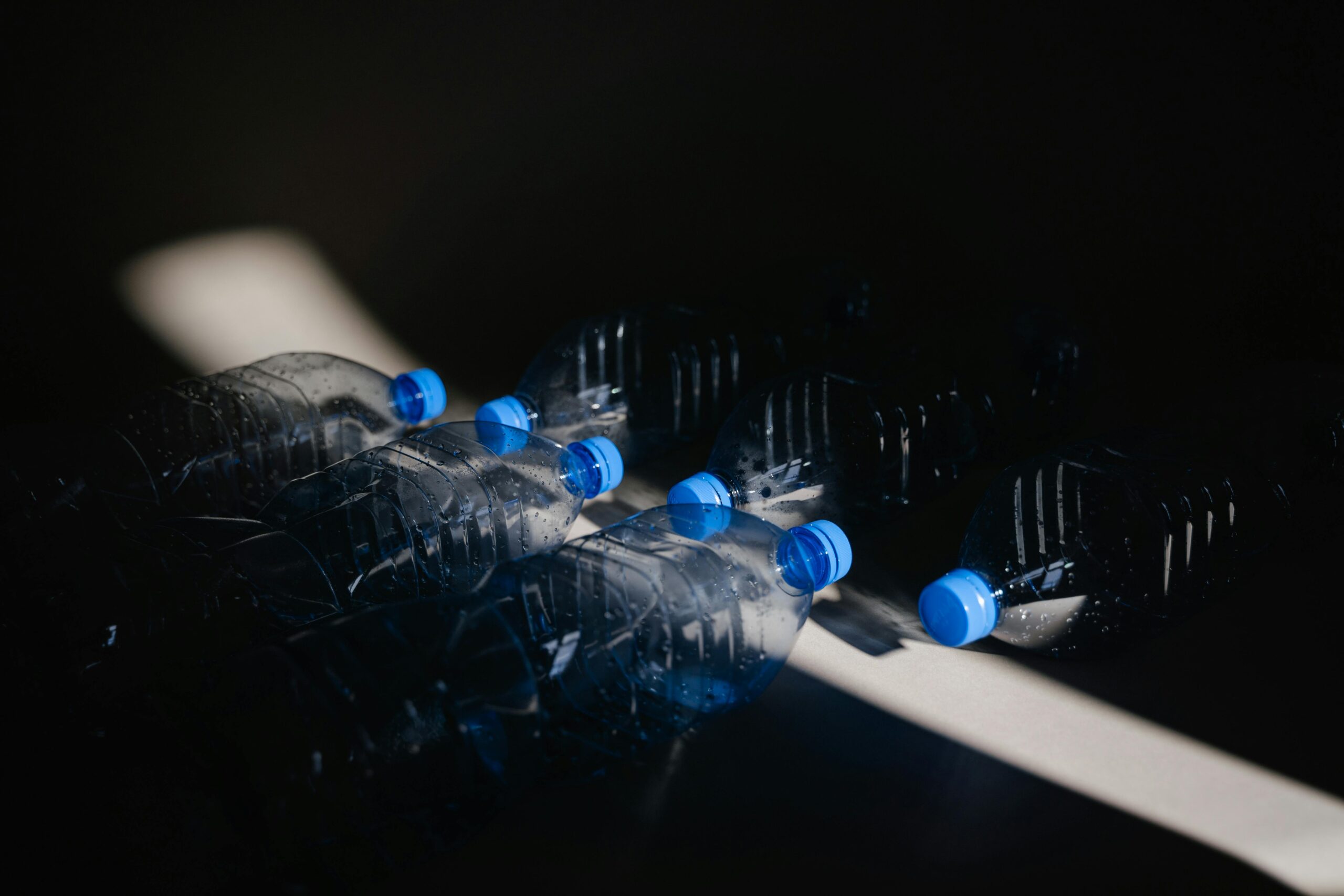
10 everyday items you didnt know you could recycle stay useful only if they are clean. The U.S. Environmental Protection Agency shows the national picture on its recycling overview.
Related posts:
Austin Plastic Bag Drop Off: Keep Film Out of the Cart
Why Austin plastic bags cannot go in the blue cart, and where to drop off clean, dry film instead.
Recycling Nuclear Waste: Turning Risk into Resource
Introduction
The specter of nuclear waste looms large in the conversation about nuclear energy. But ...
How to Recycle at Home: A Comprehensive Guide
Introduction
Recycling at home is a crucial step towards environmental sustainability. By properly s...