Recycling in Austin: Your Guide to Going Green

How Glass Recycling Helps the Planet: A Comprehensive Guide

Introduction
Glass recycling is more than just tossing bottles into a blue bin. It’s a crucial element in preserving our planet’s resources and reducing environmental harm. This comprehensive guide explores the profound impact of glass recycling, detailing its advantages, statistics, and practical steps you can take to contribute to a more sustainable future.
What is Glass Recycling and Why is it Important?
Glass recycling is the process of collecting, processing, and transforming waste glass into usable raw materials. Unlike many other materials, glass can be recycled endlessly without losing its quality or purity. This closed-loop system offers significant environmental benefits, making it a cornerstone of sustainable waste management.
The Glass Recycling Process: A Step-by-Step Overview
- Collection: Glass is collected through curbside recycling programs, drop-off centers, and deposit refund systems.
- Sorting: The collected glass is sorted by color (clear, green, brown) to ensure the quality of the recycled product.
- Cleaning: Contaminants like labels, caps, and food residue are removed from the glass.
- Crushing: The cleaned glass is crushed into small pieces called cullet.
- Melting: The cullet is melted at high temperatures in a furnace.
- Molding: The molten glass is molded into new glass products, such as bottles and jars.
Environmental Advantages of Glass Recycling
Glass recycling offers a multitude of environmental benefits, making it a vital practice for a healthier planet.
Conserving Natural Resources
Recycling glass reduces the need to extract raw materials such as sand, soda ash, and limestone from the earth. These resources are finite, and their extraction can damage ecosystems.
Reducing Energy Consumption
Manufacturing new glass from raw materials requires significantly more energy than using recycled glass. Recycling glass can reduce energy consumption by as much as 30%.
Lowering Greenhouse Gas Emissions
The reduced energy consumption from glass recycling translates to lower greenhouse gas emissions. Less energy used means less fossil fuels burned, which means a smaller carbon footprint.
Decreasing Landfill Waste
Glass is non-biodegradable and can take millions of years to decompose in a landfill. Recycling glass diverts it from landfills, extending their lifespan and reducing the need for new landfills.
Potential Drawbacks of Glass Recycling
While glass recycling is overwhelmingly beneficial, there are some challenges associated with the process:
- Contamination: Contamination of glass with other materials can reduce the quality of the recycled product and increase processing costs.
- Transportation Costs: Transporting glass to recycling facilities can be costly, especially in rural areas.
- Market Fluctuations: The demand for recycled glass can fluctuate, affecting the economic viability of recycling programs.
Glass Recycling: A Comparative Overview
| Aspect | Recycling Glass | Producing New Glass |
|---|---|---|
| Energy Consumption | Lower (up to 30%) | Higher |
| Raw Material Usage | Reduced | Required |
| Greenhouse Gas Emissions | Lower | Higher |
| Landfill Impact | Decreased | Increased |
Recent Glass Recycling Statistics
The latest data highlights the impact of glass recycling. According to the EPA, in 2018, the glass recycling rate was only 31.3% in the United States. This indicates that there’s substantial room for improvement. By increasing recycling rates, we can significantly amplify the positive environmental impacts.
| Year | Glass Recycling Rate (US) |
|---|---|
| 2017 | 33.7% |
| 2018 | 31.3% |
Practical Tips for Effective Glass Recycling
Here are some actionable steps you can take to ensure your glass recycling efforts are effective:
- Clean Your Glass: Rinse out bottles and jars to remove food residue or other contaminants.
- Remove Lids and Caps: Separate lids and caps from glass containers before recycling. These are often made of different materials and require separate processing.
- Sort Your Glass: Follow your local recycling guidelines for sorting glass by color.
- Check Local Guidelines: Be aware of your local recycling program’s specific rules and regulations.
Frequently Asked Questions (FAQ)
- Can all types of glass be recycled?
- No, certain types of glass, such as Pyrex, ovenware, and window glass, have different melting points and should not be mixed with recyclable glass.
- What happens to glass that is not recycled?
- Glass that is not recycled typically ends up in landfills, where it can remain for millions of years.
- Is recycled glass as strong as new glass?
- Yes, recycled glass has the same strength and purity as glass made from raw materials.
Conclusion
Glass recycling is a critical practice for conserving resources, reducing energy consumption, and minimizing environmental impact. By understanding the process, benefits, and practical steps involved, you can play a vital role in creating a more sustainable future. Start recycling glass today and contribute to a healthier planet! Take action now: Check your local recycling guidelines and make a conscious effort to recycle all recyclable glass items.
On this page
How glass recycling helps the planet
How glass recycling helps the planet depends on bottles and jars, rinsed and loose. Windows, mirrors, and drinking glasses do not belong in that bin. The Austin drop-off guide is the next stop for those pieces.
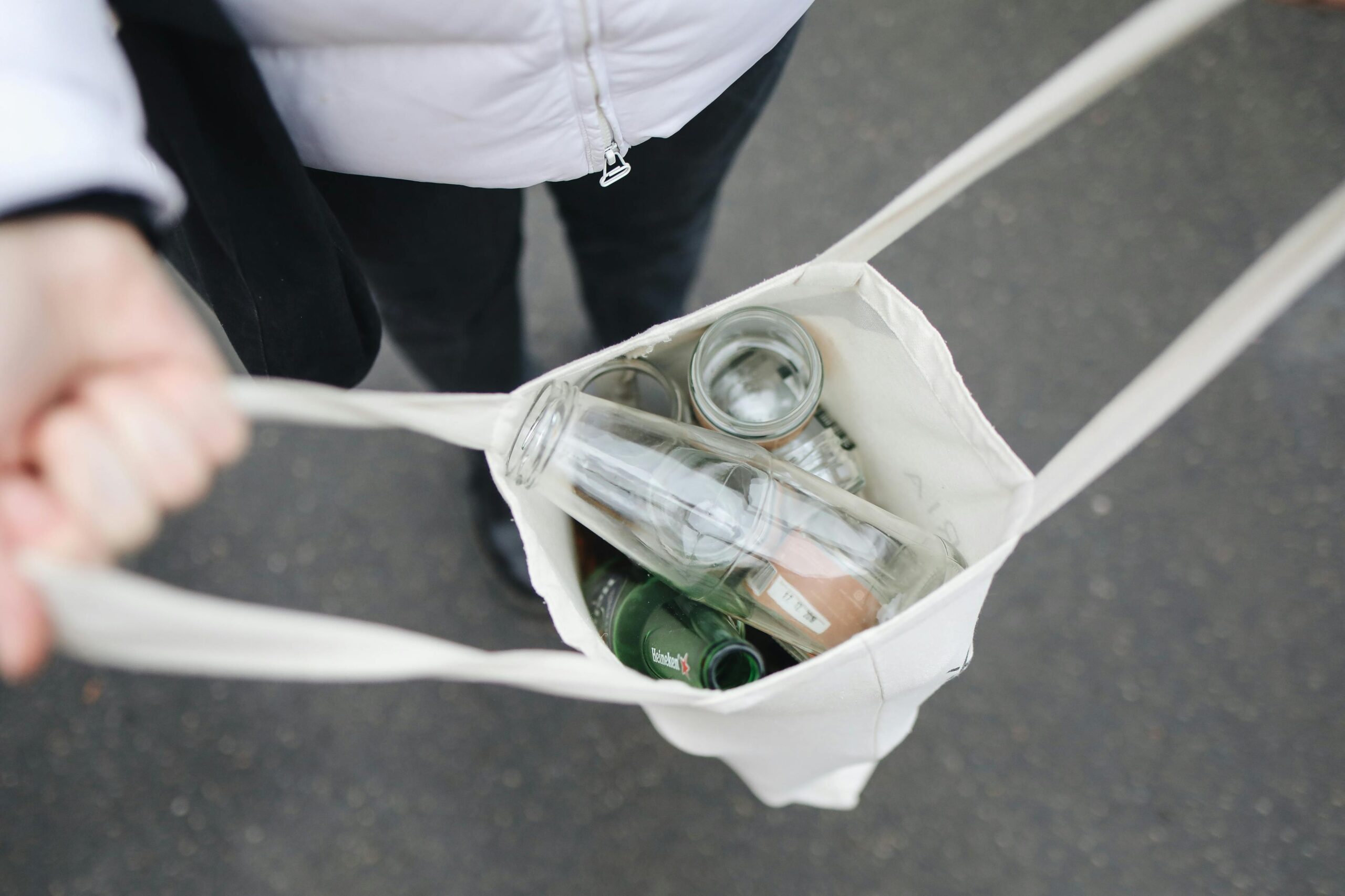

How glass recycling helps the planet only with a clean load. The U.S. Environmental Protection Agency publishes the figures on its glass data page.
Related posts:
Austin Plastic Bag Drop Off: Keep Film Out of the Cart
Why Austin plastic bags cannot go in the blue cart, and where to drop off clean, dry film instead.
Recycling Nuclear Waste: Turning Risk into Resource
Introduction
The specter of nuclear waste looms large in the conversation about nuclear energy. But ...
How to Recycle at Home: A Comprehensive Guide
Introduction
Recycling at home is a crucial step towards environmental sustainability. By properly s...