Recycling in Austin: Your Guide to Going Green

How to Create a Zero Plastic Kitchen: A Comprehensive Guide

Introduction
The kitchen, often the heart of the home, is also frequently a major source of plastic waste. From food packaging to storage containers, plastic seems to be everywhere. But what if you could create a zero plastic kitchen? It’s more achievable than you might think! This guide provides practical steps and eco-friendly alternatives to help you minimize plastic in your kitchen and contribute to a healthier planet.
What is a Zero Plastic Kitchen?
A zero plastic kitchen aims to significantly reduce or eliminate the use of single-use and unnecessary plastic items. This involves consciously choosing alternatives made from sustainable materials like glass, stainless steel, bamboo, and silicone. It’s about adopting mindful shopping habits, embracing reusable products, and minimizing overall waste.
The Benefits of a Zero Plastic Kitchen
- Reduced Environmental Impact: Less plastic means less pollution in our oceans and landfills.
- Improved Health: Avoid potential health risks associated with plastic leaching into food.
- Cost Savings: Reusable products often save money in the long run.
- More Sustainable Lifestyle: Aligns with a broader commitment to environmental responsibility.
Plastic Consumption Statistics in the Kitchen
According to a 2023 report by the Ellen MacArthur Foundation, only 9% of plastic waste is actually recycled. The rest ends up in landfills, incinerated, or polluting the environment. Furthermore, a study published in *Environmental Science & Technology* estimates that the average person ingests approximately 5 grams of plastic every week – roughly the weight of a credit card. The kitchen is a key contributor to these figures.
Practical Steps to Creating Your Zero Plastic Kitchen
1. Audit Your Kitchen
Take stock of all the plastic items in your kitchen. Categorize them by type (food storage, cleaning products, utensils, etc.). This will help you identify the biggest culprits and prioritize your swaps.
2. Food Storage Solutions
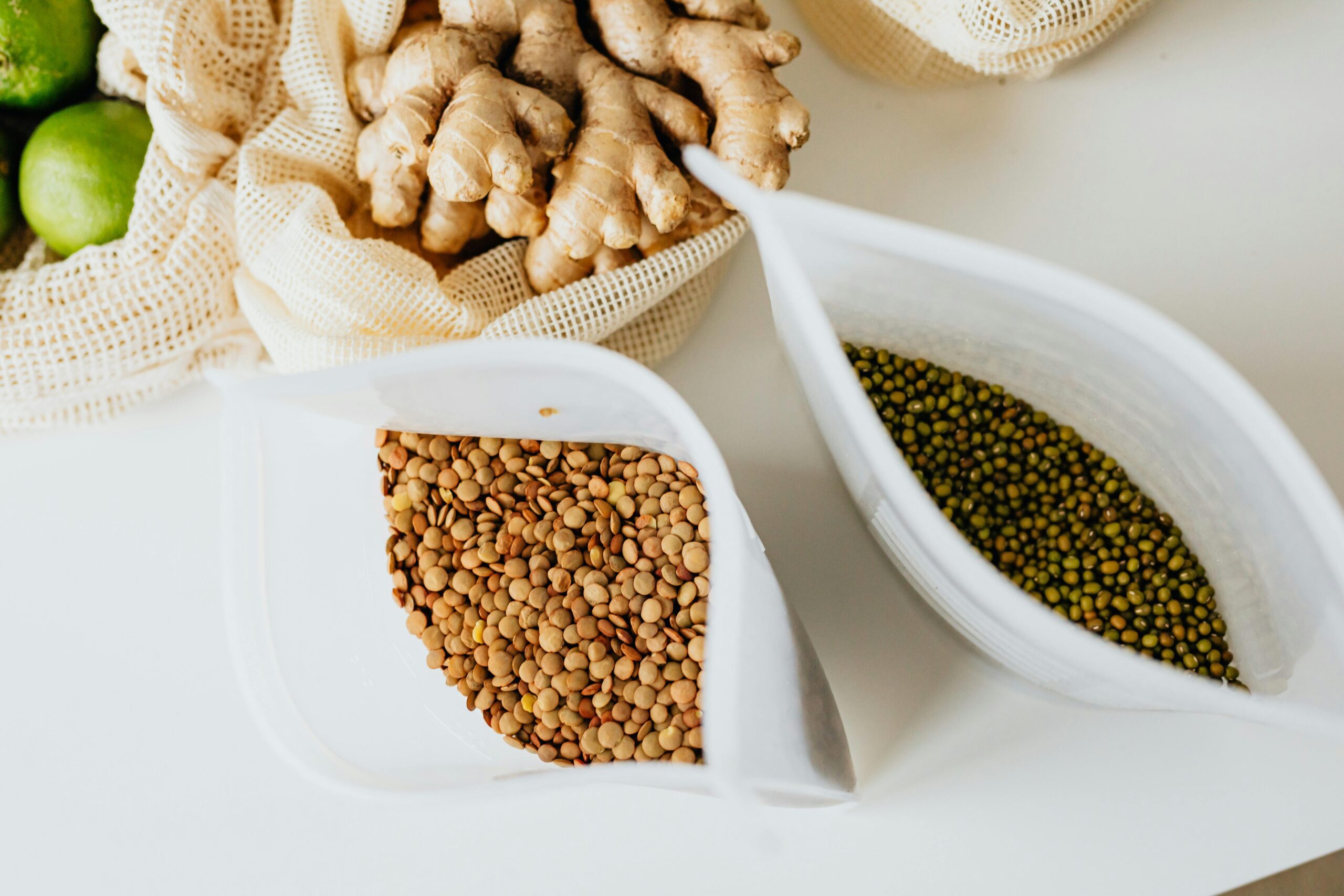
Replace plastic containers with glass jars, stainless steel containers, and beeswax wraps. Consider using fabric produce bags instead of plastic ones when shopping for fruits and vegetables.
3. Ditch Plastic Wrap
Beeswax wraps are a fantastic alternative to plastic wrap. They are reusable, biodegradable, and perfect for covering bowls or wrapping leftovers. You can also use reusable silicone lids or simply store food in airtight containers.
4. Eco-Friendly Cleaning Products
Many conventional cleaning products come in plastic bottles. Opt for concentrated refills or buy cleaning supplies in bulk using your own containers. Alternatively, make your own cleaning solutions using ingredients like vinegar, baking soda, and lemon juice.
5. Reusable Shopping Bags
Always bring your own reusable shopping bags to the grocery store. Consider investing in produce bags made from organic cotton or mesh to avoid using plastic bags for fruits and vegetables.
6. Sustainable Utensils and Cookware
Replace plastic utensils with bamboo, stainless steel, or wooden alternatives. Choose cookware made from cast iron, stainless steel, or ceramic, which are durable and long-lasting.
7. Rethink Your Sponges and Dish Brushes
Traditional sponges are often made of plastic. Switch to biodegradable sponges made from cellulose or natural sea sponges. Opt for dish brushes with wooden handles and plant-based bristles.
8. Bulk Buying and Package-Free Shopping
Whenever possible, buy food in bulk to reduce packaging waste. Support local farmers markets and stores that offer package-free options.
9. Say No to Plastic Water Bottles
Invest in a reusable water bottle and refill it throughout the day. If you have concerns about tap water quality, consider using a water filter.
10. Coffee and Tea Alternatives
Use a French press or a reusable coffee filter instead of disposable coffee pods. Brew loose-leaf tea instead of using tea bags, which often contain plastic.
Comparison of Food Storage Options
| Option | Material | Pros | Cons |
|---|---|---|---|
| Plastic Containers | Various Plastics | Lightweight, inexpensive | Can leach chemicals, not sustainable |
| Glass Containers | Glass | Durable, non-toxic, reusable | Heavier, more breakable |
| Stainless Steel Containers | Stainless Steel | Durable, non-toxic, lightweight | Can be more expensive |
| Beeswax Wraps | Cotton coated with beeswax | Reusable, biodegradable, natural | Not suitable for all foods, requires gentle cleaning |
Common Mistakes to Avoid
- Trying to do everything at once: Start with small, manageable changes and gradually work your way up.
- Throwing away perfectly good plastic items: Use what you have until it wears out, then replace it with a sustainable alternative.
- Not planning ahead: Bring your reusable bags and containers with you whenever you go shopping.
FAQ: Zero Plastic Kitchen
Is it really possible to have a completely zero plastic kitchen?
While completely eliminating plastic might be challenging, significantly reducing it is definitely achievable. Focus on making gradual changes and choosing sustainable alternatives.
Are glass containers safe for freezing?
Yes, but make sure to use freezer-safe glass containers and leave some headspace to allow for expansion.
How do I clean beeswax wraps?
Wash them with cool water and mild soap. Avoid using hot water or harsh chemicals.
Conclusion
Creating a zero plastic kitchen is a journey, not a destination. By making conscious choices and embracing sustainable alternatives, you can significantly reduce your plastic consumption and contribute to a healthier planet. Start small, be patient, and celebrate your progress along the way!
Ready to start your zero plastic kitchen journey? Take our quiz to find out where you can start today!
On this page
How to create a zero plastic kitchen: first swaps
How to create a zero plastic kitchen starts with what you stop buying, not with a perfect shelf. Replace wrap, bags, and single-use bottles first. Jars and cloth covers do the rest. The Austin recycling drop-off guide is where film and bags go when a store bin is closer than the cart.
A second step in how to create a zero plastic kitchen is to recycle only the plastic you cannot avoid yet. Clear bottles still have a path. Black trays often do not. The plastic recycling guide keeps that line clear.
How to create a zero plastic kitchen still needs a clean recycling habit for the pieces that remain. The U.S. Environmental Protection Agency summarizes the national plastic stream on its plastics data page.
Mistakes that stall how to create a zero plastic kitchen
If how to create a zero plastic kitchen feels like an all-or-nothing project, change one drawer this week. The bin gets easier after the shopping list changes.
- How to create a zero plastic kitchen fails when new containers arrive wrapped again.
- Bagging the last bottles blocks how to create a zero plastic kitchen at the plant.
- How to create a zero plastic kitchen does not mean tossing unmarked plastic in the cart.
- Greasy boxes next to jars undo how to create a zero plastic kitchen for the paper stream.
- Soft film is a store drop-off, not part of how to create a zero plastic kitchen in the cart.
- Once how to create a zero plastic kitchen is weekly, take the leftovers to a drop-off.
Related posts:
Austin Carton Recycling: Cups and Cartons in the Cart
Austin now takes food cartons, juice boxes, and coated paper cups in the blue cart. Here is how to s...
The Role of Communities in Reducing Plastic Waste: A Comprehensive Guide
Introduction
Plastic waste is a pervasive global issue, threatening ecosystems and human health. Whi...
Myths and Facts About Plastic Recycling: Separating Reality from Fiction
Introduction
Plastic recycling: a concept often lauded as the solution to our plastic waste problem....